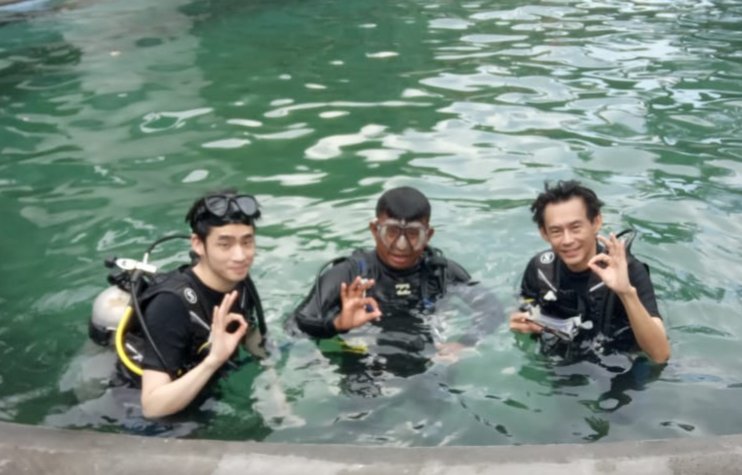
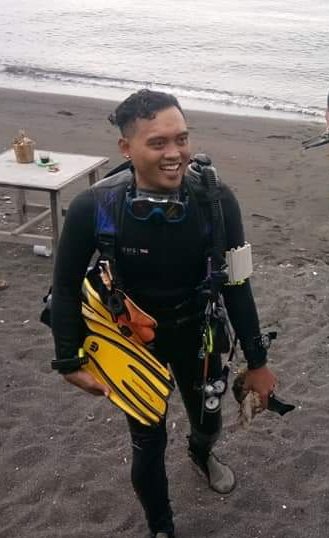
Standar Praktek Penyelaman yang Aman

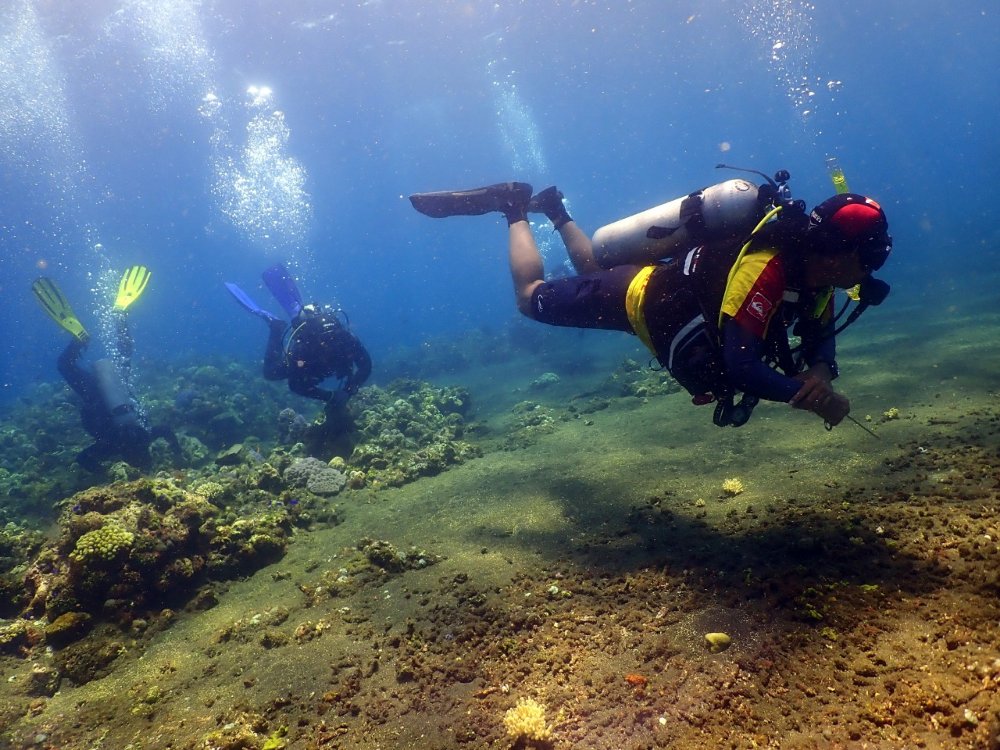
Berikut ini informasi tentang standar praktek keamanan untuk Penyelaman Skin dan SCUBA. Praktek-praktek tersebut dikompilasi untuk mendapatkan ulasan serta pengakuan Anda dengan tujuan untuk meningkatkan kenyamanan dan keamanan suatu penyelaman.
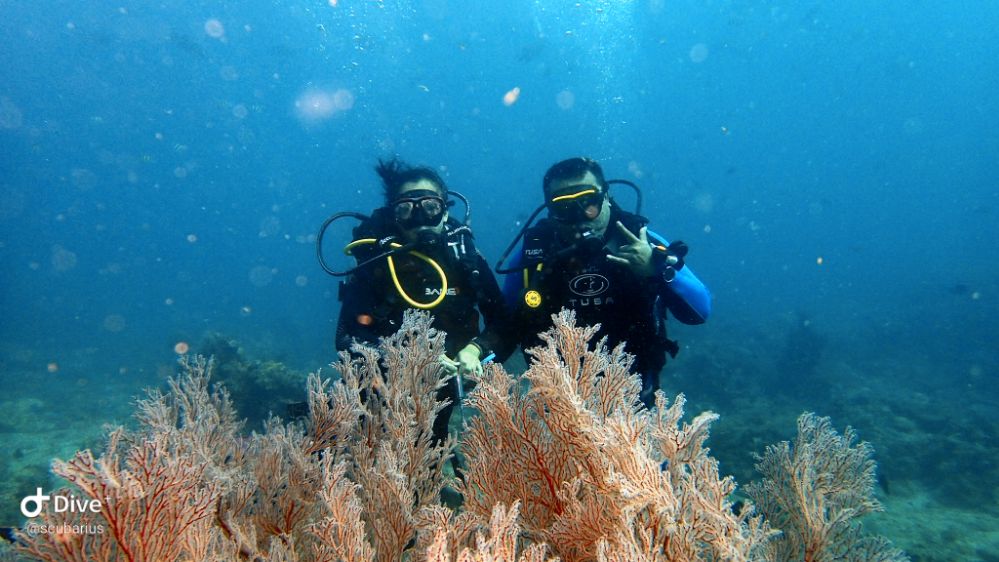
  • Menjaga kebugaran mental dan fisik untuk penyelaman. Hindari berada dibawah pengaruh alkohol atau obat terlarang pada penyelaman. Menjaga tetap mahir dalam ketrampilan menyelam, terus berusaha meningkatkan kemampuan dengan mengikuti jenjang pelatihan selanjutnya dan meninjau kembali kemampuan selam dalam kondisi yang terkendali jika telah lama tidak melakukan kegiatan penyelaman, serta selalu menggunakan buku kursus selam sebagai referensi dan informasi penting baru lainnya untuk memastikan penguasaan pengetahuan terkini.
  • Kenali kondisi daerah penyelaman. Jika tidak, dapatkan orientasi selam secara formil dari sumber setempat yang berpengalaman dan terpercaya. Jika kondisi penyelaman lebih buruk dari pada yang pernah saya alami, tunda penyelaman atau pilih lokasi lain dengan kondisi yang lebih baik. Lakukan aktifitas penyelaman sesuai dengan pelatihan dan pengalaman selam saya. Jangan ikut serta pada penyelaman di gua (cave diving) atau selam teknikal kecuali memang telah memiliki pelatihan dan kualifikasi untuk melakukan penyelaman tersebut.
  • Menggunakan peralatan selam secara lengkap, terawat dengan baik, dapat diandalkan dan biasa saya gunakan; melakukan pemeriksaan semua fungsi dan kondisi alat setiap kali sebelum melakukan penyelaman. Menggunakan Buoyancy Control Device, Low-Pressure Buoyancy Control Inflation System, Submersible Pressure Gauge dan Alternate Air Source serta alat perencanaan/pemantauan penyelaman (dive computer, RDP/tabel selam – tergantung pada teknik dan metode pada saat Anda dilatih) ketika menyelam. Menolak penggunaan peralatan selam saya oleh penyelam yang tidak bersertifikat.
  • Mendengarkan dengan baik penjelasan dan pengarahan (briefing) sebelum menyelam dan menghormati nasehat/petunjuk dari orang yang mengawasi aktifitas penyelaman saya. Memahami bahwa dibutuhkan kursus pelatihan tambahan untuk berpartisipasi dalam kegiatan selam spesialisasi, terutama pada area geografi yang berbeda dan setelah beberapa waktu (enam bulan) tidak aktif menyelam.
  • Mematuhi akan buddy system/ sistem mitra selam pada setiap penyelaman. Rencanakan penyelaman – termasuk cara komunikasi, prosedur untuk bertemu jika terpisah dan prosedur darurat dengan buddy/ mitra selam saya.
  • Memahami perencanaan penyelaman (baik dengan tabel selam maupun dive computer). Pastikan semua penyelaman bukan merupakan penyelaman dekompresi dan selalu menjaga batas keselamatan. Selalu memonitor kedalaman dan waktu penyelaman. Batasi kedalaman maksimum sesuai dengan tingkat pelatihan dan pengalaman penyelaman. Naik ke permukaan dengan kecepatan tidak melebihi 18 meter/ 60 kaki per menit. Jadilah seorang penyelam SAFE – Slowly Ascend From Every dive. Selalu lakukan safety stop sebagai pencegahan tambahan, di kedalaman 5 meter/ 15 kaki selama tiga menit atau lebih.
  • Memastikan daya apung yang sesuai. Atur jumlah pemberat yang sesuai di permukaan untuk mencapai daya apung netral, tanpa udara di dalam Buoyancy Control Device. Menjaga daya apung netral ketika berada di bawah air. Mengapung pada saat berenang dan beristirahat di permukaan. Memastikan pemberat mudah dilepas untuk dapat mengendalikan daya apung dalam kondisi tertentu jika diperlukan, ketika menyelam. Setidaknya membawa satu alat pemberi tanda permukaan (seperti signal tube, peluit, cermin).
  • Bernapaslah secara benar ketika menyelam. Jangan pernah menahan napas atau bernapas secara terputus-putus ketika menggunakan udara tekan, dan hindari hiperventilasi yang berlebihan ketika melakukan penyelaman tahan napas. Hindari kelelahan ketika berada di dalam air dan selalu menyelam sesuai dengan batas kemampuan.
  • Menggunakan perahu/ kapal, pelampung ataupun benda apung lain, kapanpun memungkinkan.
  • Mengenal dan mematuhi ketentuan dan peraturan hukum setempat, termasuk aturan penangkapan ikan serta penggunaan bendera selam.
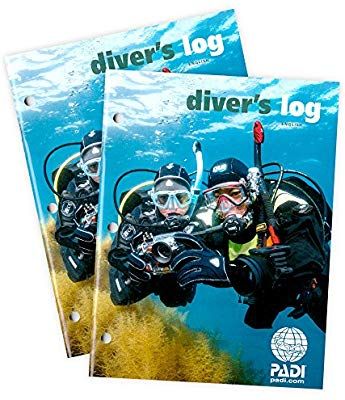
The Importance of Logging All Our Dives

Dive logs are a common sight around dive shops these days. Keeping them after every dive is a habit all scuba divers are encouraged to develop from their first scuba course, and which many divers continue throughout their diving careers. But, why do we keep dive logs?

Dive logs were first used to ensure safe dive planning of repetitive dives. Divers would record the information from previous dives in a logbook, so that they could calculate the safe parameters for their next one. With the advent of dive computers, planning has become largely obsolete. But there are other reasons to keep dive logs.

Here are some of them.

  • Dive logs are proof of your experience as a diver.
  • Dive logs are a valuable reference for future dives
  • A dive log is a learning tool for divers who want to improve their skills
  • Dive logs allow you to capture and preserve your memories
  • Keeping dive logs creates a connection
  • Keeping dive logs doesn’t have to be tedious

It’s up to you. Ultimately, the choice of whether or not to log your dives is a personal one. The amount of information you record is up to you. Keep in mind that you will never regret keeping a dive log but you might regret not doing so. (Source: deepblu.com)

DEEP and EXTREME Indonesia 2020

In its 14th edition, scheduled from 2nd – 5th April 2020, DXI is the one and only diving, marine and ecotourism expo in Indonesia and the most anticipated event of the year.

DEEP Indonesia is an international exhibition for diving, adventure travel and water sports which has been running since 2007 and has grown to become one of the largest diving event in Asia.

In 2009, EXTREME Indonesia as the first extreme sports, outdoor adventure and ecotourism exhibition was organized in conjunction with DEEP Indonesia. The combination of these two exhibitions has proven to be an effective marketing platform for distributors and retailers .

Today, the show is most known as DXI (DEEP and EXTREME Indonesia)

DEEP & EXTREME Indonesia 2020 is organized by XNET.

PADI Open Water Diver Course

If you’ve always wanted to take scuba diving lessons, experience unparalleled adventure and see the world beneath the waves, this is where it starts. Get your scuba diving certification with the PADI Open Water Diver course – the world’s most popular and widely recognized scuba course. Millions of people have learned to scuba dive and gone on to discover the wonders of the aquatic world through this course.

Course Requirements;
To enroll in a PADI Open Water Diver course: You must be 15 years old or 10 years old or older for Junior open water diver; You need adequate swimming skills and need to be in good physical health; and No prior experience with scuba diving is required.

What will you learn?
The PADI Open Water Diver course consists of three main phases:• Knowledge Development (online, independent study or in a classroom) to understand basic principles of scuba diving.
• Confined Water Dives to learn basic scuba skills.
• Open Water Dives to use your skills and explore.

How can you start learning now?Enroll in Open Water Diver Online – PADI’s eLearning option – and you can start learning right away. PADI Open Water Diver Online gives you the background information you need to dive safely and allows you to study at your own pace through an interactive computer-based program.You can also start learning with PADI’s home-study materials – Open Water Diver TouchTM (a tablet app) or the Open Water Diver Manual and Open Water Diver Video (a book and DVD package). Stop by our shop to enroll in the course, get your materials and start reading the book and watching the video. Your PADI Instructor will schedule time with you to check your progress and make sure you understand important scuba diving information.

What scuba gear will you use? In the PADI Open Water Diver course, you learn to use basic scuba gear, including a mask, snorkel, fins, regulator, buoyancy control device and a tank. The equipment you wear varies, depending upon whether you’re diving in tropical, temperate or cold water.

Diving Nusa Penida’s colourful Crystal Bay – but beware the downcurrents

Nusa Penida’s Crystal Bay provides an animated visual feast of colourful marine life, but beware the currents that create the show.

As you might expect the waters of Crystal Bay in Nusa Penida are crystal clear and I don’t mean like glass, I mean like crystal, every colourful fish positively sparkling in Technicolor!

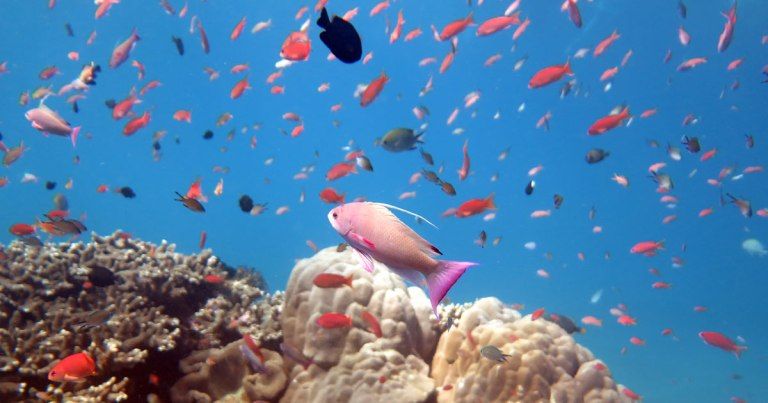
There are plenty of colourful reef fish of all shapes and sizes, colours and hues, all very lively amongst the colourful soft corals, Xenia and sea anemones. The constantly animated scene is a visual feast. The first fish to catch the eye are the anthias – the purple males herding their harems of orange females. There are butterflyfish in every shade of yellow and every design: spots, stripes and lattices. It’s these butterflyfish that usually groom the Mola Mola (the sunfish) that are spotted here seasonally. Add in angels, surgeons, coral trout and puffers and porcupines, plus a variety of anemonefish in their various types of anemone, and you’ll start to get the picture.

The reason for all this life is the constant current which brings cool, fresh, clear water and also nutrients from deeper areas beyond the Bay. And the reason for this current is the Indo Pacific Throughflow – water flowing from the Pacific into the Indian Ocean delivering 15,000,000 m³ per second, at an average speed of 1 km/h.

Of course when this water passes between the islands of the Indonesian chain it speeds up even more. So as well as delivering nutrient-laden clear and cool water, so beloved by Mantas and marine life generally it can also deliver strong currents, both horizontally and vertically (up and down) as it smacks into a vertical wall or prominent corner.

This is why the dive sites like Manta Point and Crystal Bay at Nusa Penida consistently deliver great diving on what they’d been named for. Just beware the potential for unexpected currents while you enjoy them.

There’s a very relevant article on downcurrents here by DAN AP’s Director. And if you don’t feel up to it, go to Nusa Lembongan instead – almost as pretty but with a very gentle current

Source: DANinsider.org

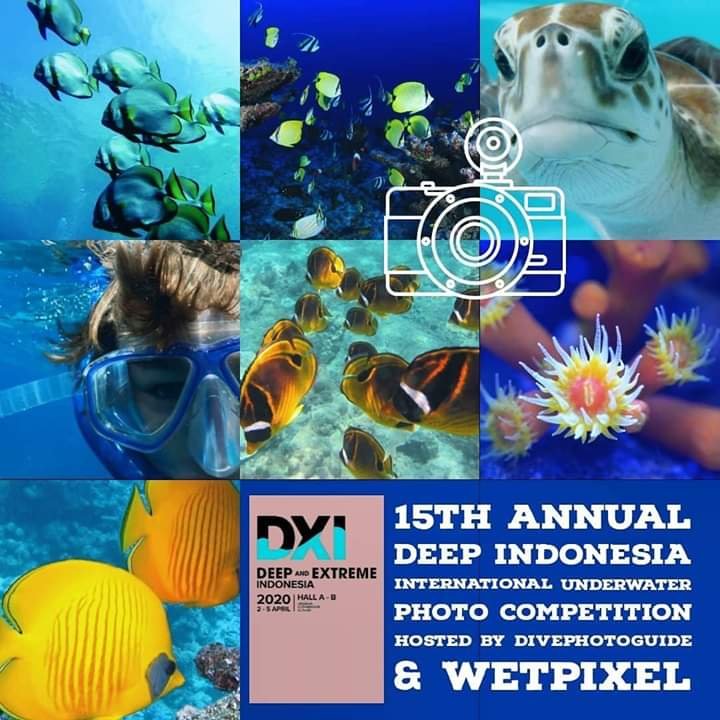
15th Annual DEEP Indonesia International Underwater Photo Competition

The prestigious DEEP Indonesia International Underwater Photo Competition is part of a unique series hosted by DivePhotoGuide (DPG) and Wetpixel, in association with DEEP Indonesia, Indonesia’s first-ever diving, adventure travel and extreme sports expo.

Photographers will compete in six themed categories to win over $45,000 in prizes, including underwater photo equipment and premium dive travel packages to some of the top photo destinations in the world.

The DEEP Indonesia competition is part of a unique series that, together with the DPG/Wetpixel Masters competition, has a prize pool of over $100,000. The prestige of these contests means that winners also achieve the glory of being named some of the world’s best underwater photographers.


** Deadline for submissions March 7th, 2020 **

Winners will be announced online, published by our media partners worldwide and exhibited during the DEEP Indonesia Expo.

The fee to enter is $10 per image. As with all UnderwaterCompetition.com events, 15% of entry proceeds will be donated to marine conservation efforts.

For more details: http://www.underwatercompetition.com/Competitions/deep-indonesia-2020

Persyaratan Sertifikasi Diving

Untuk bisa mengikuti pelatihan sertifikasi diving pemula dari PADI,  Anda harus memenuhi beberapa persyaratan meliputi persyaratan umur, persyaratan fisik dan persyaratan waterskill (kemampuan di air).

Berikut ini adalah persyaratan untuk mengikuti pelatihan diving:

Persyaratan Umur:

  • Mimimum berusia 10 tahun
  • Para peserta yang lebih muda dari 15 tahun dan sukses menyelesaikan pelatihan PADI Open Water Diver berhak atas  sertifikat PADI Junior Open Water Diver, yang dapat di-upgrade menjadi PADI Open Water Diver saat Anda berusia 15 tahun.

Baik Junior Diver maupun yang dewasa mempunyai persyaratan pelatihan diving yang sama, kecuali untuk kedalaman. Peserta berusia 10 – 11 tahun, hanya diperbolehkan menyelam sampai kedalaman 12 meter saja, sedangkan yang berusia 12 tahun atau lebih tua dapat menyelam sampai 18 meter.

Persyaratan Fisik:
Untuk keselamatan, semua peserta harus  melengkapi Scuba Medical Questionnaire yang menanyakan tentang kondisi-kondisi medis yang bisa menjadi masalah saat Anda melakukan penyelaman. Jika Anda menjawab TIDAK (NO) untuk semua pertanyaan, Anda cukup menanda-tangani formulir tersebut dan Anda dapat memulai pelatihan dengan segera. Bila ada satu atau beberapa pertanyaan Anda jawab YA (YES), maka Anda perlu pemeriksaan dokter yang menyatakan anda fit untuk diving atau tidak. Jadi dokter akan menilai kondisi Anda terutama yang berhubungan dengan penyelaman dan menanda tangai suatu formulir medis yang mengkonfirmasikan bahwa anda boleh melakukan penyelaman atau tidak boleh menyelam. Jika Anda tidak yakin akan kondisi kesehatan Anda, silahkan kontak kami untuk mendapatkan lembar pemeriksaan dan panduan pemeriksaan kesehatan yang diterbitkan oleh RSTC.

Di beberapa negara, hukum atau peraturan lokal mengharuskan semua peserta pelatihan menyelam wajib berkonsultasi denga dokter sebelum memulai pelatihan menyelam. Negara Australia menerapkan peraturan ini.

Persyaratan Waterskills:
Sebelum menyelasaikan pelatihan PADI Open Water Diver, instruktur anda akan meminta Anda untuk menunjukkan kemampuan waterskill dasar yang meliputi :

  • Berenang 200 metres/yards tanpa alat bantu (Mask, snorkel dan fin)  atau berenang 300 metres/yards dengan Mask, snorkel dan fin. Kemampuan ini tidak ada batas waktunya dan anda boleh menggunakan gaya renang yang anda inginkan.
  • Mengapung (survival float) selama 10 menit. Untuk kemampuan ini Anda dapat menggunakan metode yang anda inginkan.

Kenyamanan Anda di air akan sangat menentukan kesuksesan pelatihan diving yang Anda ikuti. Banyak anggapan bahwa untuk diving Anda tidak perlu bisa berenang. Ini adalah anggapan yang keliru. Selama pelatihan diving, Anda akan belajar bagiamana berenang secara mandiri di permukaan dan di bawah air, serta belajar tindakan – tindakan darurat yang harus dikuasai jika terjadi masalah selama penyelaman.

Selain itu, setelah Anda resmi menyandang sertifikat Open Water Diver, Anda bisa menyelam secara independen (mandiri) dengan buddy Anda sepanjang memenuhi kondisi tertentu misalnya pemahaman atau familiaritas terhadap lokasi penyelaman, kemampuan diving dan lain – lain. Jadi kemampuan dan kenyamanan anda di air merupakan kemampuan yang wajib dimiliki oleh seorang penyelam.

Bagaimana jika Anda belum bisa berenang, saya sarankan ambil pelatihan renang dahulu atau Anda akan kecewa pada saat pelatihan diving. Karena Anda akan kesulitan mengikuti pelatihan atau mungkin juga akan berhenti di tengah jalan. Sangat disayangkan, bukan?

Demikianlah persyaratan – persyaratan yang harus dipenuhi oleh para calon peserta pelatihan diving. semoga bermanfaat.

Discover Scuba Diving

Have you been wondering what it’s like to breathe underwater? With a PADI Discover Scuba Diving (DSD) experience, you can try scuba diving at pool or sea. A PADI Discover Scuba Diving experience is a great way to find out what scuba diving is really like before you take the full scuba certification course.

Your scuba instructor will spend a little time with you to explain the basic principles of scuba diving and give you an overview of your scuba gear, which is supplied by the dive shop.

Once you feel comfortable, your instructor will take you in the pool to help you learn basic scuba skills. Then, if you like, you can go with your instructor for a short discovery dive up to 40 feet/ 12 metres. The skills you learn during your Discover Scuba Diving experience may be credited toward the full PADI Open Water Diver certification.

If you want to do Discover Scuba Diving feel free to contact us by email or whatsapp

Dream Come True

Congratulation to Gus Yudha for completing PADI Divemaster Course. It’s just beginning. Keep on moving.

Congrats once again, welcome to PADI pro club.

Becoming a PADI Divemaster is my dream come true. My passion to the ocean has taken me so far. I know this is just beginning of my underwater adventure. I hope I can reach a higher level.

Thank you to my mentor and Instructor Made Suwena for your patience, knowledge and all support.

Rancang situs seperti ini dengan WordPress.com
Mulai